The art of sourdough: cultivating unique starters according to “The Bread Code”
In-depth21 January 2025

Our story with Hendrik began in 2019 when, in midsummer, we received an email from him asking if we could send him some of our flours, in particular some Star and some Granaio Italiano Forte Whole Wheat.
At that time our online shop only handled orders from Italy, but the passion we had read between the lines of that email was too much to ignore so we decided to make an exception and organized a shipment to Hamburg. Only several months later we discovered that Hendrik was theBread.code(); and that he managed a community of home-bakers completely in love with his idea of bread making. A bread making full of tests, experiments, a lot of theory, and the total valorization of sourdough starters.
In this article, in Hendrik’s own words, you can find out how to transform sourdough bread making into something incredibly special. Happy reading!
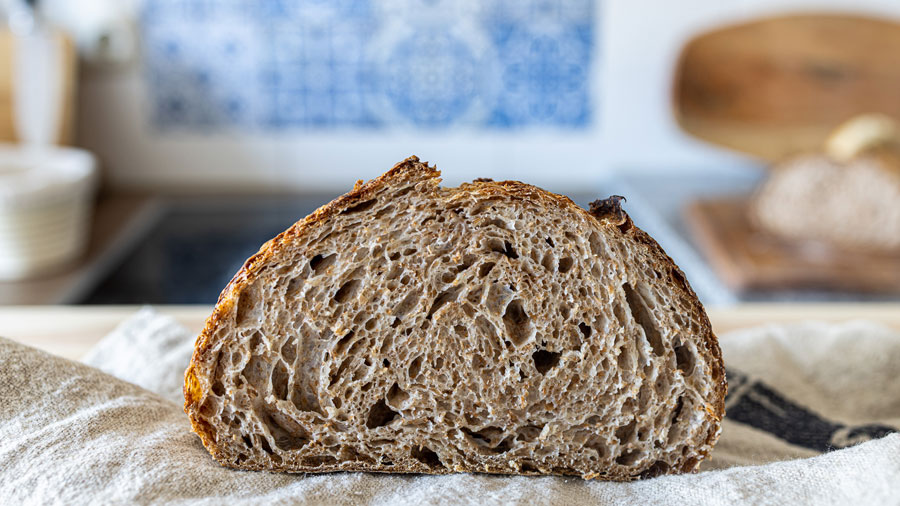
There’s nothing quite like biting into a freshly baked loaf of sourdough bread. That crisp, golden crust paired with a soft, airy crumb—it’s the kind of bread that doesn’t even need anything extra. A little butter, maybe some olive oil and a sprinkle of salt, and you’ve got perfection on a plate. Sourdough is one of those breads that can stand alone and still steal the show.
While traditionally most sourdough starters are cultivated from a simple mix of flour and water, there’s a whole world of possibility when it comes to the ingredients you can use to create a starter. You don’t have to limit yourself to flour—fruits, salt water, and even plant leaves can provide the natural wild microorganisms that activate a sourdough starter. The key is to understand that these microbes, which later thrive in your starter, are naturally occurring all around us. They live on the surfaces of plants, fruits, and even in saltwater environments.
Take, for example, the creation of my fruit fly starter. Many people think fruit flies are drawn to overripe fruit, but they’re actually attracted by the wild microorganisms fermenting sugars in the fruit. These microbes, which live on the surface of fruits like apples, spring into action when they detect that the fruit is no longer attached to the tree, deciding it’s time to reproduce and spread spores. These volatile compounds in the air are what attract fruit flies, signaling that fermentation is in progress.
When fruit flies land on the surface of the fruits, they pick up the spores from these microorganisms, unknowingly becoming carriers. Just like bees pollinate plants, fruit flies spread these wild microbial spores to other plants and environments, helping the microbes reproduce and spread across the world. In this way, fruit flies can be thought of as the bees of wild yeast. This fascinating process is what allowed me to create a unique and flavorful starter that harnessed these wild yeast spores.
Similarly, I made a saltwater starter on the Cook Islands, cultivating wild microorganisms from the saltwater and using it to create a fantastic bread with a distinctive taste. The beauty of experimenting with different ingredients is that each starter develops its own personality and unique flavor. Every starter will behave differently and produce a different end result, depending on its origins.
One crucial point in cultivating a successful starter is patience. You need to feed your starter multiple times over several days to allow the microbes that are best suited to fermenting flour to win out over others. This is why a starter isn’t ready after just one or two days—it’s a process that takes at least seven to ten days. Each feeding strengthens the starter, selecting for the most effective microorganisms.
If you’re lucky enough to live near a bakery that makes sourdough bread, don’t hesitate to ask for a bit of their starter. Many bakers are more than happy to share their craft and pass along a little piece of their own sourdough tradition.
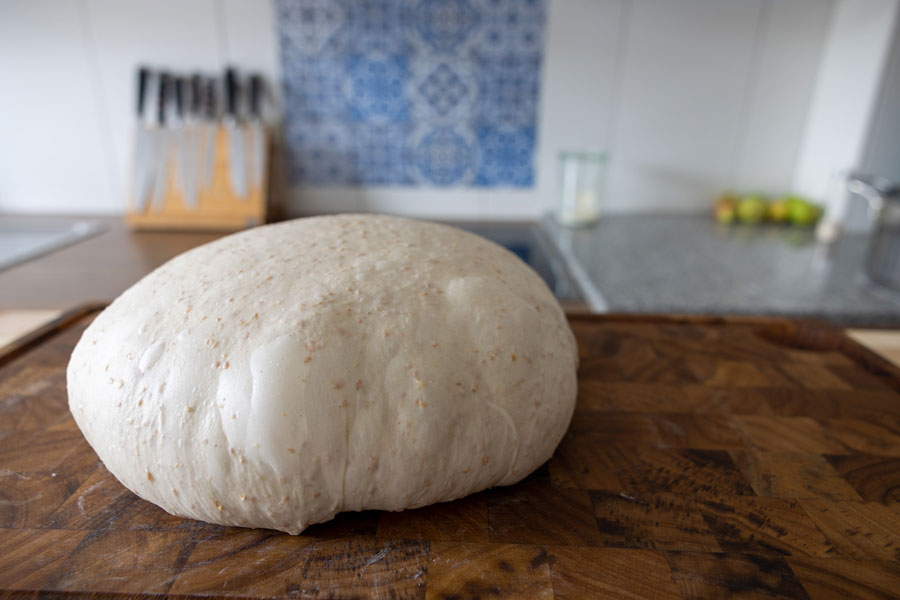
This process of nurturing and feeding your starter not only makes it stronger but also more adept at transforming flour into delicious bread. Once your starter is established, it becomes incredibly resilient. Even if you change the type of flour you’re feeding it, the established microorganisms will continue to dominate and drive the fermentation process. This allows you to play with flavors by using different flours for feeding, depending on the taste you want in your final bread.
So, don’t be afraid to experiment. Whether you’re using whole wheat, rye, or even saltwater, the key is to nurture your starter and feed it with what you want to taste in your final bread. The flour you feed it will influence the flavor, but the strong microbial foundation will remain the same. Remember, the journey of making sourdough is as much about discovery as it is about baking.
Embrace the fact that every starter is different, just like every loaf of bread. With each new starter, you’re not only cultivating a unique culture of wild microbes, but you’re also cultivating a new flavor profile that will add something special to your bread-baking repertoire.
Gluten Tag. I’m Hendrik, an engineer turned baker, driven by a passion for bread. My love for baking began with childhood memories of my mom baking the perfect bread at home. When I had to start cooking for myself, I embarked on a journey to create the perfect sourdough bread. Today, my mission is to democratize baking, enabling everyone around the world to bake delicious bread at home and to elevate the reputation of bread. You can follow my journey and get tips on my YouTube channel, the_bread_code.
I am also the author of The Sourdough Framework, a 250-page book that dives into the science and background of sourdough bread. The book is free to read and donation-based, making it an ultimate resource for anyone wanting to understand sourdough fermentation on a deeper level.